Boss Bike Rides: how to create a bit of Urban Magic.

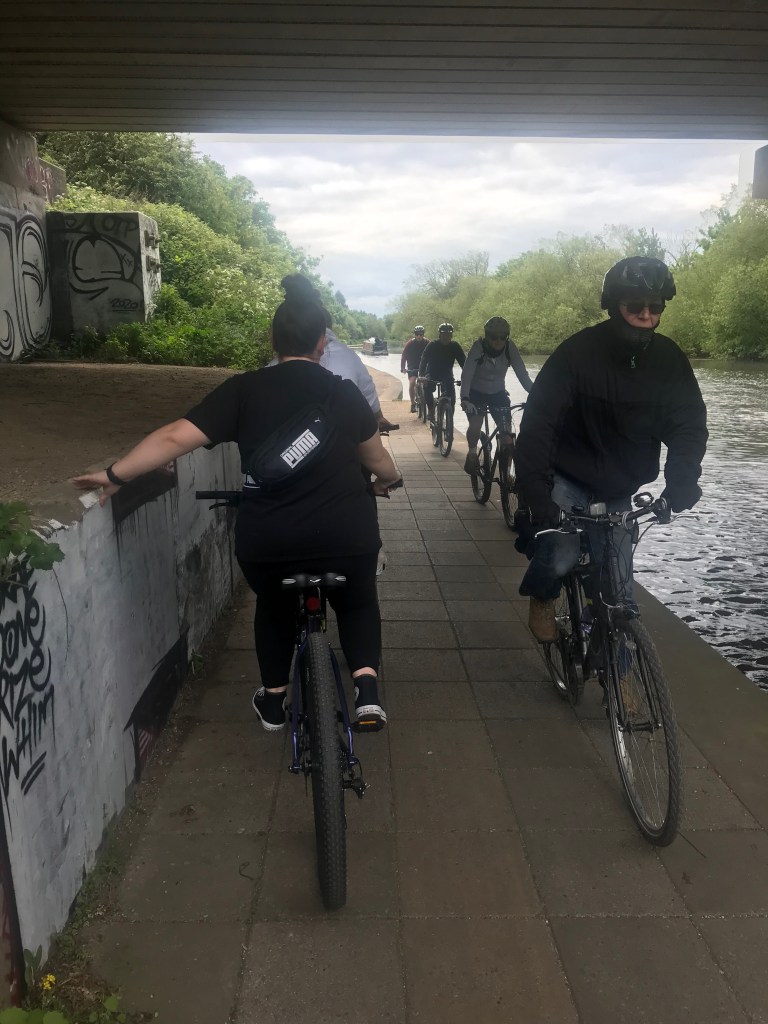
The basic premises of Boss Bike Rides are that you spend time on a bike with someone else and that you then share your experiences of boss-ness, boss-dom and boss-icity or a combination of all of the above.

But what if you don’t have some-one to ride with? And what if you’re not sure about how to start up a conversation with someone you may have known a long time?

This might sound an odd supposition but given many of us have just spent 16+ months in various degrees of isolation and separateness, it’s not surprising that perhaps our previous confidence in social settings may have taken a bit of a shaking since the onset of social distancing.  So perhaps we could do with a bit of help in getting those conversations going again.

One way of doing that is suggested by the venture Street Wisdom who describe themselves as a “social enterprise that offers mind-opening WalkShops on streets all over the world. Run by volunteers, our immersive public experiences turn the city into your creative playground – a place to unlock fresh thinking and set new direction.”

Now, whilst their focus is on walking, the principles apply to cycling in general and to Boss Bike Riding in particular.

“All you need is to turn up with a question you’d like some fresh answers to. It could be a business-related question, a personal one. Or both. Come by yourself, tell your friends to sign up or even enrol your whole team – this is a great way for business colleagues to hit the refresh button.”

You can keep your question secret if you want, but it’s good to have something in mind. Nothing as big as ‘when am I going to win the Lottery?’ or as small as ‘Left or Right Lion?’ – but something that matters to you, right here, right now.

What happens next on a Street Wisdom walk is that you ‘tune into’ the street over four shorts walks: each walk you can make alone or with friends, and each walk had an instruction to guide you:

“Look for what you’re drawn to.”

“Slow right down.”

“Notice the patterns.”

“See the beauty in everything.”

When I undertook a Street Wisdom walk in Nottingham with a group of five complete strangers, the walks and the focus given by the instructions generated for all of us on the walks a quite astounding set of responses.

I found myself being drawn to the fountains on the other side of the square, feeling quite wistful about the lack of water features in the city and the distance we were from the coastline.

The instruction to Slow Right Down had me stopped dead still in my tracks for over fifteen minutes which enabled me to see how fast everyone rushes around the city: always with intent and a job to do or a place to go or a person to visit. Staying much longer under this instruction would have seen me draining away through the concrete, I was relaxing that rapidly.

It was on the third walk – Notice the Patterns – that I really started to feel the effects of the process. Normally I brush off patterns or pay no attention to them at all: but given ten minutes just to look at them made me hugely aware of just how patterned and ordered our city scape is: it was intoxicating to see patterns in every nook and cranny and in every small piece of iron railing, shop window and bus stop. Had this been after a Friday evening at the Cross Keys, one might have explained this with 15 pints of IPA: but no, this was Friday lunchtime and I was technically still at work.

The fourth walk – See the Beauty in everything – was the peak of the afternoon. It meant that it was impossible to go anywhere with stopping to marvel at everything. I found myself marvelling at all of modern technology when I overheard a couple of tourists extol loudly the wonder that was Skype, which had allowed them to talk to a long lost aunt in Australia that very morning.  Fast forward five years to the middle of the pandemic, and our familiarity with Teams and Zoom makes that appreciation of Skype has a warm cosy nostalgic glow woven through every strand of that moment.

After the four short walks, you’re encouraged to go off on a journey by yourself: your own street quest.   You do this with your own question at the back of your mind and later on meet up with the rest of the group to share your experiences and improved wisdom. I can’t tell you whether the question I had posed was answered other than to say that your first question may not be the right question; but I can tell you that all six of us were swept away by the experience and promised to go divining for more Nottingham in the weeks to come.

“It’s urban magic on your doorstep” say Street Wisdom and for once in your life, the reality lives up to the promise.

You can  interpret these Street Wisdom walks into 4 phases of your Boss Bike Ride of course and we look forward to seeing how your Boss Bike Ride can generate it’s own brand of urban magic.

Why Boss Bike Rides?  Here’s an answer.

Thinking About Dance Action Zones

The metaphor of the Zone is a recurring element of educational discourses in which space and time is structured in such a way as to generate learning spaces whose properties are thought to magnify, extend, or transform a particular aspect of learning. 

Drawing on Vygotsky’s Zone of Proximal Development (ZPD), – the process by which children learn with the support of significant others – the transformational capacities of Zones have been well documented in the field of music, creative writing and educational aspiration and attainment in general.

Zones can generate additional, magnifying effects and produce outputs which are more than the sum of their individual parts.  Specially they can:

  • contribute to academic standards
  • engage learners in ‘real world’ educational challenges
  • engage low achievers and challenge high achievers
  • develop artistic, social and interpersonal skills
  • increase the fun of learning

Action Zones can offer regionally responsive programmes to children and young people with least opportunity to participate in quality dance-making activities.

Traditionally, funding for educationally focused action zones (including Youth Music Action Zones)  has been focused on those with least access to opportunities, targeting those affected by social, economic, geographical or cultural deprivation and has led to very high levels of involvement and impact.

YMAZ’s also worked within Youth Music’s own strategic priorities of Early Years, Young People At Risk, Transition, Singing and Workforce Development: priorities (perhaps with the exception of singing) which could be sympathetic to many dance educators.

Possible Model of Youth Dance Action Zones (borrowing heavily from YMAZ’s!)

Youth Dance Action Zones (YDAZs)  would be a regional network of organisations dedicated to providing quality dance-making experiences for 0-25 year olds who might not otherwise get the chance.

YDAZs would be unique in bringing together a range of organisations across the voluntary, public and private sectors for the benefit of local children and young people.

Each YDAZ would designed to respond to the particular needs of their host community. Their agenda would be broad – from providing pathways for young people to develop dance skills to supporting the training of dancers and educators working within the sector.

Each YDAZ would deliver a wide range of high quality activities covering a broad range of dance styles and genres.  The activities, which would take place mainly outside school hours, include workshops, rehearsals, performances, one-to-one teaching and mentoring. 

As engines of strategic change and pioneers of innovative dance making in their regions, YDAZs would build local and regional partnerships to ensure a sustainable future for their activities. At the same time, their most significant partnership is with the young people themselves, ensuring that the YDAZs remain in-touch and relevant to their most important stakeholders.

YDAZ Aims

•          To establish a legacy of dance-making opportunities in areas of high social and economic need and geographical isolation

•          To improve the overall standards of dance-making across all dance styles and genres

•          To champion the value of dance making in advancing the educational and social development of children and young people

•          To establish dance-making opportunities as a force for regeneration in communities, fostering social inclusion and community cohesion

Target audiences

YDAZs  would work with the hardest to reach children and young people, including young offenders, those at risk of offending, young people out of mainstream education and looked after children. 

YDAZs  would also offer CPD opportunities to their dance leaders, ensuring the highest quality practice.

The Rule of Six: blame, bluster and betrayal

England is experiencing the largest rise in confirmed Covid-19 cases since May; there are fears of a second wave across the four nations; Scotland’s first minister, Nicola Sturgeon, is pleading for older people to “be even more vigilant” (not vigilante as some people would like to have understood) and the UK is now even more split over how we view non-face mask wearers than it was over Brexit.

In recent days, government scrutiny has focused in laser like fashion on the cause of all this current mayhem on… guess who? Yep, people under 30 i.e. Young People.

The new legislation – known in common parlance as the Rule of Six –forbids social groupings of more than six people.  I once wrote a youth theatre play called The Rules of The Game, the central premise of which was that football had been outlawed to such an extent that no more than 10 people were allowed to gather to watch it.  My professional writer friend, Alan McDonald, suggested at the time that the script asked readers to believe too many things before breakfast so it needed a re-write.   I thought he was probably right at the time, but this new legislation has prompted me to blow the dust off the script, tout it around various youth theatres and see how well the play has stood up to the test of time.  Prescient?  Moi?  Who would have predicted that.

The Rule of Six and the subsequent blame games it has generated conveniently ignore the fact that the hospitality sector has been encouraged to throw open its doors and feed all of us who’ve been missing out on our weekly trips to the local pizzeria; that organised sports are still permitted (note the key word in that phrase ‘organised’) and that it’s still possible to meet your gran as long as she leaves her house and meets up with you completely by surprise in the pub and as long as grandad isn’t tow and you don’t have a sniffling younger sibling in the background and there’s a G in the day of the week.

This new, non-fictional legislation is intended to prevent Gangs of Six from gathering in an un-organised manner in which heaven forbid young people decide for themselves on how to get to grips with the challenges that Covid-19 has thrust upon them: in itself, yet another symptom of the educational and economic betrayals that have been visited on young people over the last ten years, never mind the last six months. As another writer colleague, Mike Harris remarked,

I can’t think I would have been doing too much shielding aged 18 if I knew I was threatened at worst by a dose of flu and if the post-war generations had eaten up all the metaphorical pies and left me with metaphorical tofu…”

Do you remember the Gang of Four?  I don’t mean that anarcho-punk band from Leeds, but the political faction composed of four Chinese Communist Party officials who achieved infamy during the Cultural Revolution.  It didn’t end well for them (or the Leeds band either for that matter) and it doesn’t look like that these attempts to batten down the viral hatches by insisting that Gangs of Six are going to be our salvation are going to fare any better.

To start singling out a particular age group as being singularly responsible for the sharp uptick of Coronavirus cases is nonsensical and the sooner we can get to grips with that fact, the better it will be for all of us: under 30s, over 30s and those over ahem ahem years old.

The Story of the 2.6 Campaign: new horizons, home and thanks

The Covid-19 crisis has shone a beacon on people’s innate creativity throughout the crisis and one of the post Covid-19 challenges for many of us working in the cultural sector will be how to harness this community buzz and demonstrate how creativity has been a vital part of people’s resilience to the challenges they’ve faced.

Public Art though is still a bit of a conundrum for me.  Every now and then on my travels I encountered odd pieces of public art whose purpose was baffling and whose aesthetics were indisputably challenging. Another cliché but still as true: roadside flora doesn’t need a purpose but just look splendid.  Perhaps we should rethink art in a similar way: there’s no need for art to have an instrumental purpose, but just to be enjoyed, celebrated or castigated for what it is.

Day 26 finally arrived and Janice, Sally, Hania, Tom and Stash made my return home really joyful.  Their celebrations made that final 100m stretch a real pleasure for the first time in 26 days and prevented me from hopping off the bike and ambling home up the hill unnoticed. When Day 26 was done and dusted a story of several numbers emerged:

Over 405km cycled…

Over 2170m climbed…

Over 46 hrs en route…

Over 75 ‘A-Ha’ moments of discovery…

I’m especially thankful to all my donors who helped make this campaign happen: The 2 Andys, Carl, Chris, the 3 Davids, Eleni, Emrys, Felicity, Janice, Jo, John, Jon, Jordan, Kevin, Kim, Laura, Lew, Marie, The 2 Martins, Nadine, Nick, Nigel, Pam, Paul, Raj, Rajesh, Rav, Roxie, Ryan, Sally, Tom and Vivek: thank you all so much.  And to all you anonymous donors: I couldn’t have done it without you too!

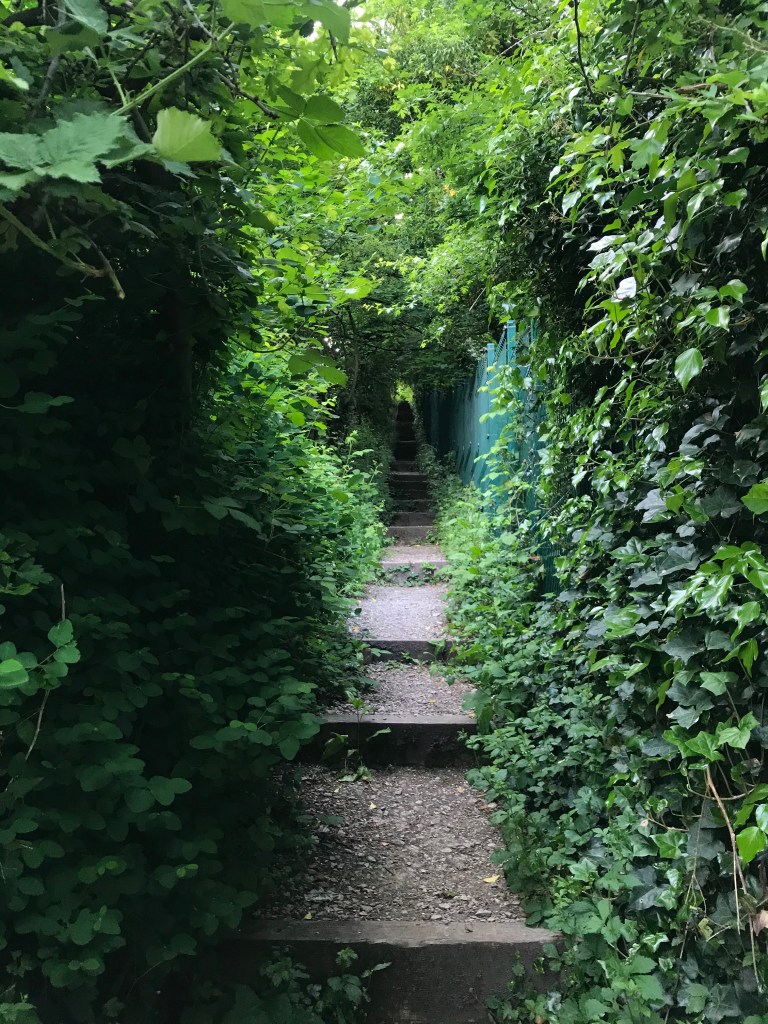
Thank you, Jon, for your advice on how to carry a bike. This was much needed at the 49 Steps of Sycamore Park in St Ann’s which clearly hadn’t had any human visitation since the Ice Age: and thanks to How We Roll for technical expertise on the Tiger Hazard-mobile.

My cycle challenge was part of the wider Mighty Creatives team challenge in which staff, trustees, friends and family all chipping into the team effort. Everything from running, cycling, walking the dog, working out, exercising, crocheting, learning German and lip-synching music theatre on TikTok: our team’s ingenuity knew no bounds!  All in all, we raised over £5,200 for children and young people in care (double our original target!)

If you’d like to know more how the funding has made a difference to their lives, please feel free to get in touch.


The Story of the 2.6 Campaign: no–some–thing / yester–to–day–to–morrow

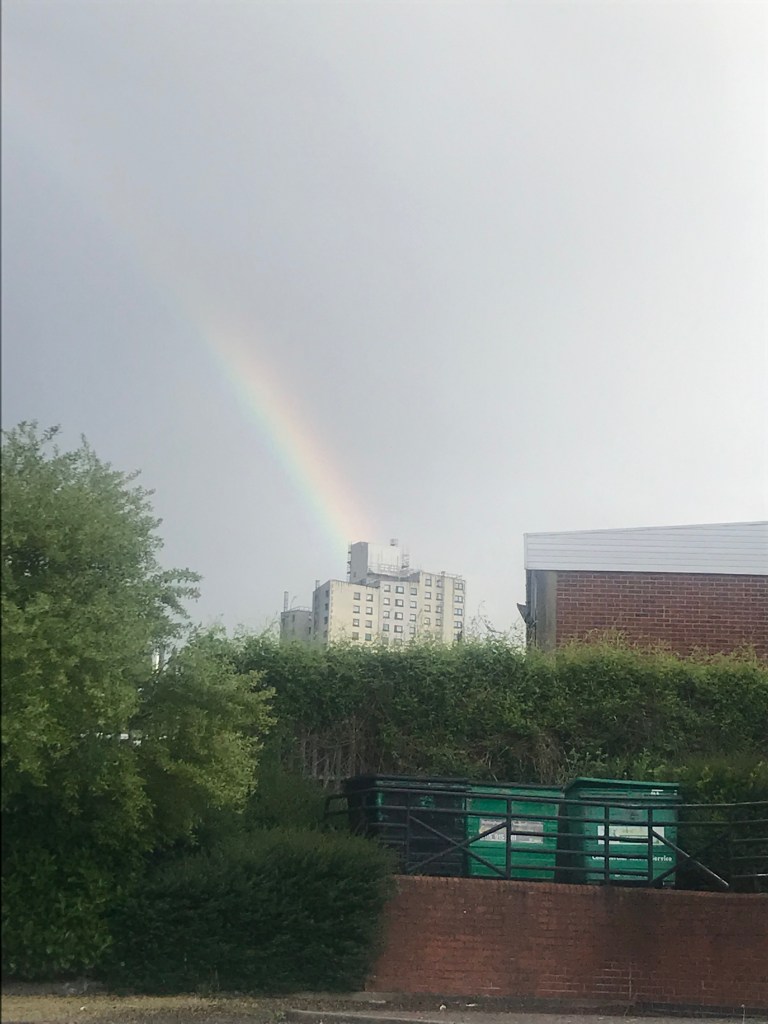
I became aware one bright morning riding along the Sneinton Greenway that the blossom that was there that morning, definitely hadn’t been there the day before. There’d clearly been a lot of endeavour over the previous 24 hours to make sure all the blossom all comes out, all together, all at the right time.

I was struck by the same thought later on when passing by BioCity, the supposed home of where Ibuprofen was discovered. One day, it’s not there, the next it is. And I’m wondering whether the people of Nottingham and Sneinton are going to be part of the next big anti-viral discovery for Covid-19. Let’s hope so. After all, it’s not (as far as we can see) here today – but it will be, inshallah, tomorrow.

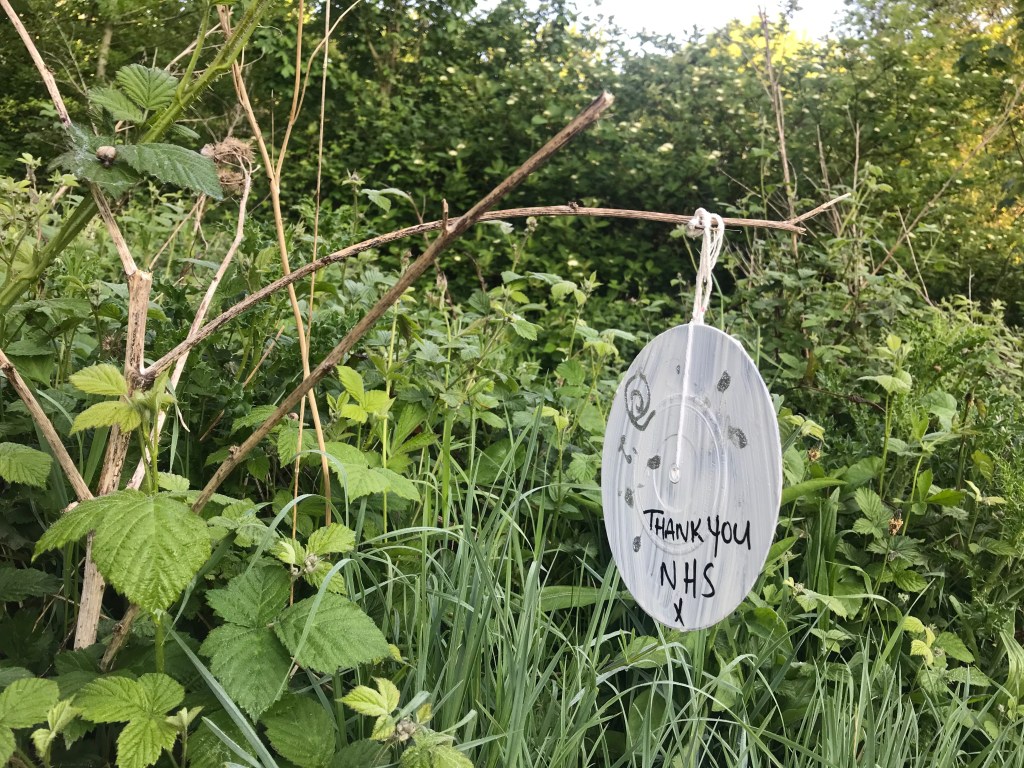
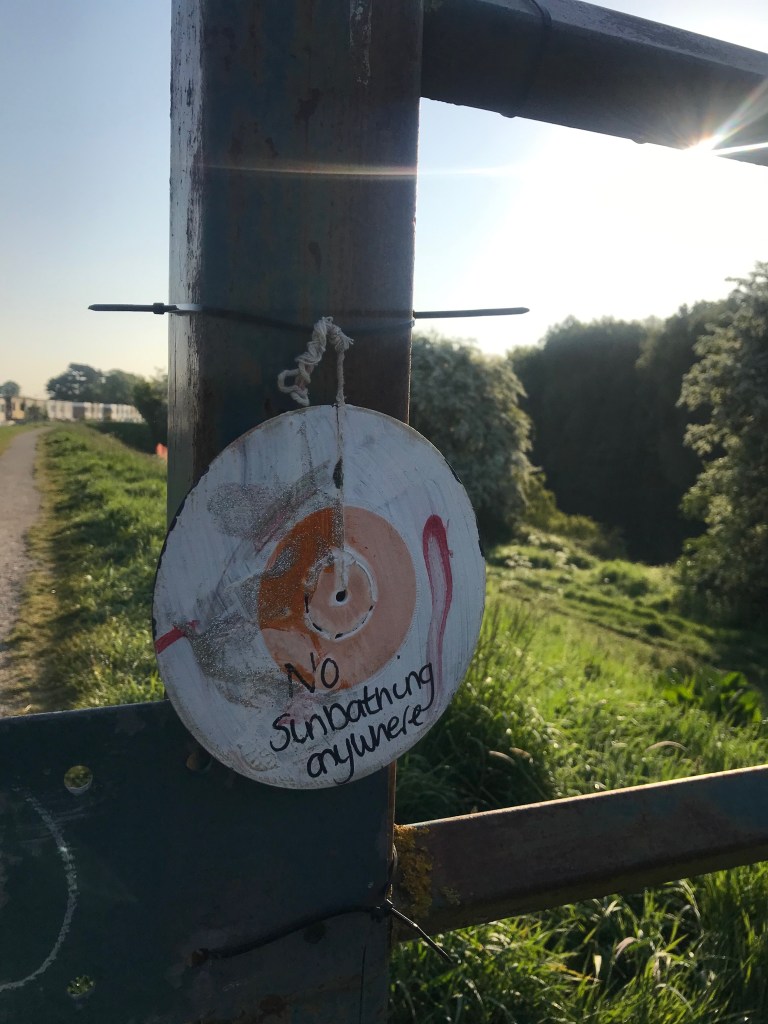
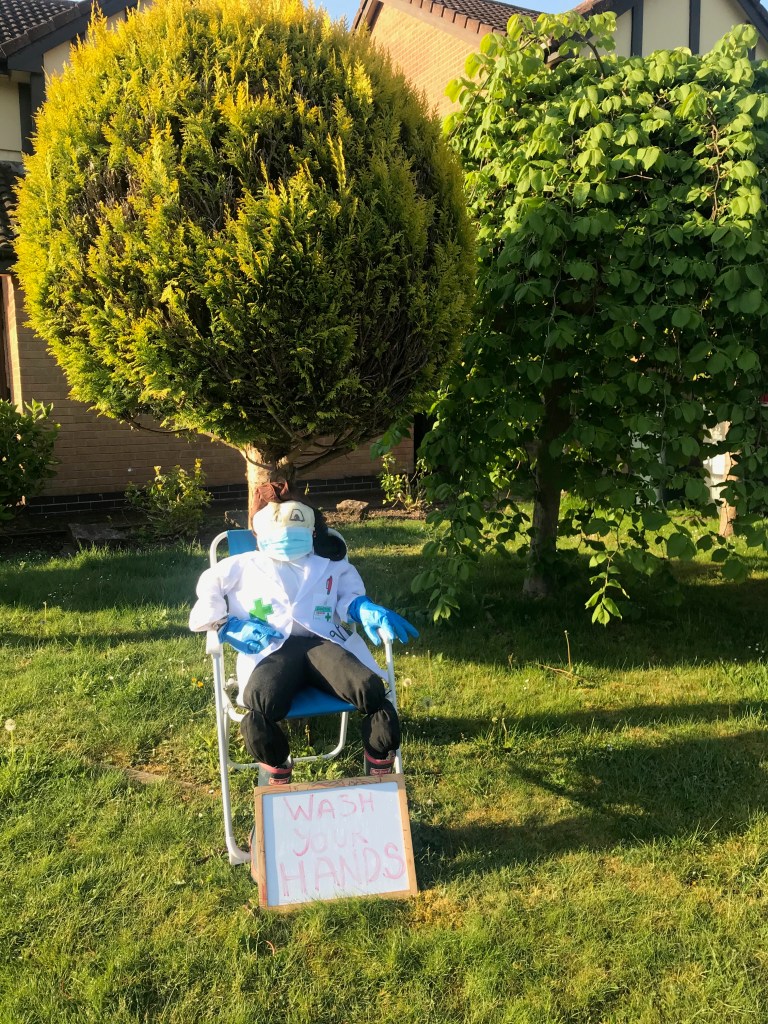
I was delighted later that week to see how some of the burghers of Colwick were celebrating the NHS.  Many of them had dressed up scarecrows or mannequins in their gardens, all offering messages of support to the NHS or instructions to passers-by to ‘wash their hands’, ‘keep safe’ or ‘stay at home’, the final instruction soon mutating into the more ambiguous governmental advice of ‘Stay Alert’ as Covid-19 pandemic continued to grip the country.

They certainly hadn’t been there the day before either.

You can see an update of the campaign -and still donate if you wish – here.

The Story of the 2.6 Campaign: the unfamiliarity of the familiar

It’s an old cliché but still true: travelling slower allows you to see familiar objects in a new light or see new things you’ve always missed in the normal daily hullabaloo.

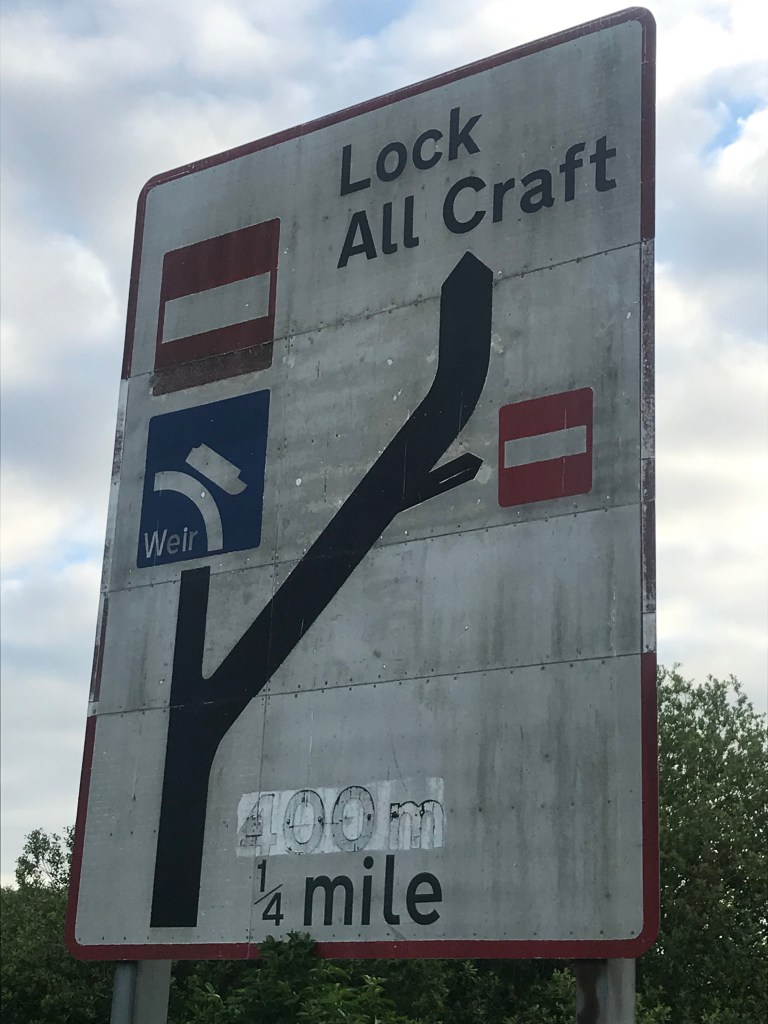
Railway crossing signs are a case in point.  They describe distance in miles and chains. Chains? Since when did we stop using them? And whatever happened to the furlong? Furloughed I expect, given the times we’re in.

I found myself early into day 6 wondering why on earth the city’s called Nottingham and not Notting Hill? The inclines here are never-ending: sometimes innocent, sometimes shrewd, sometimes vicious. All within 5 minutes from home. Tour de France? Pyrenees? My Knees in Sneinton became something to write songs about.

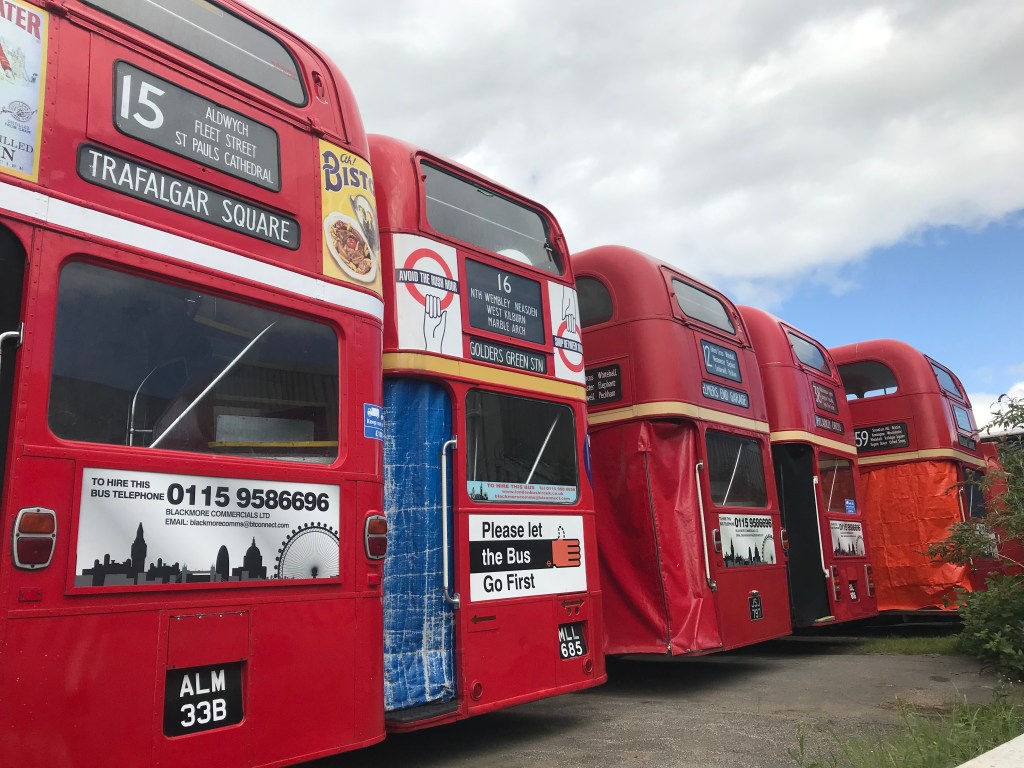
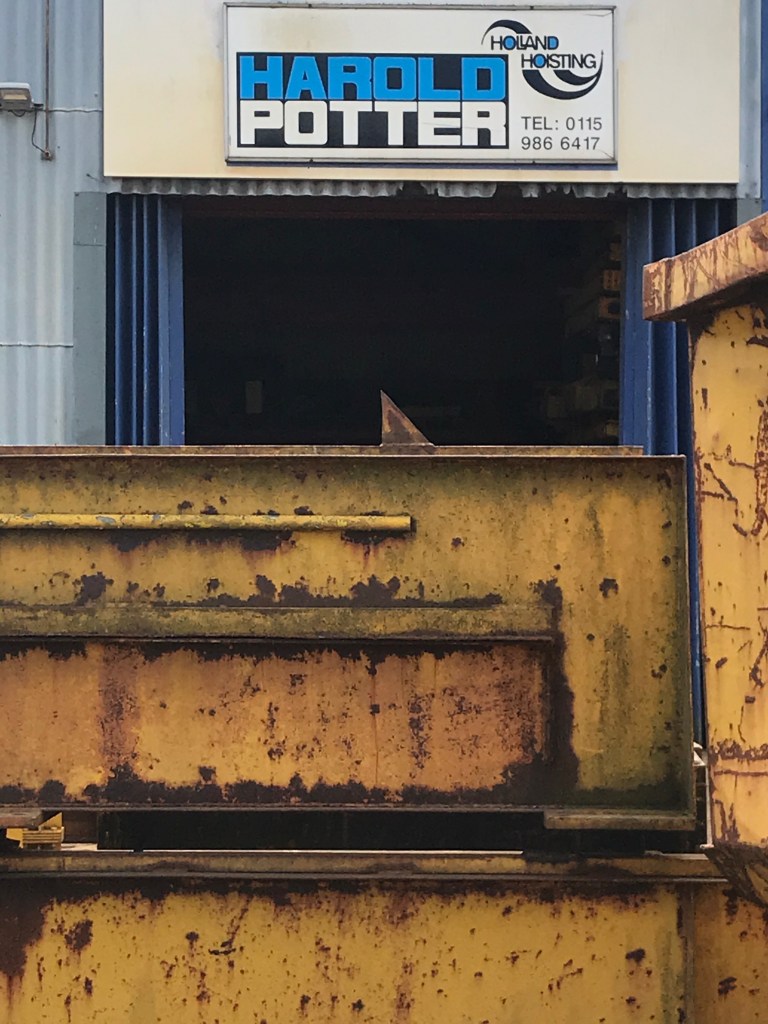
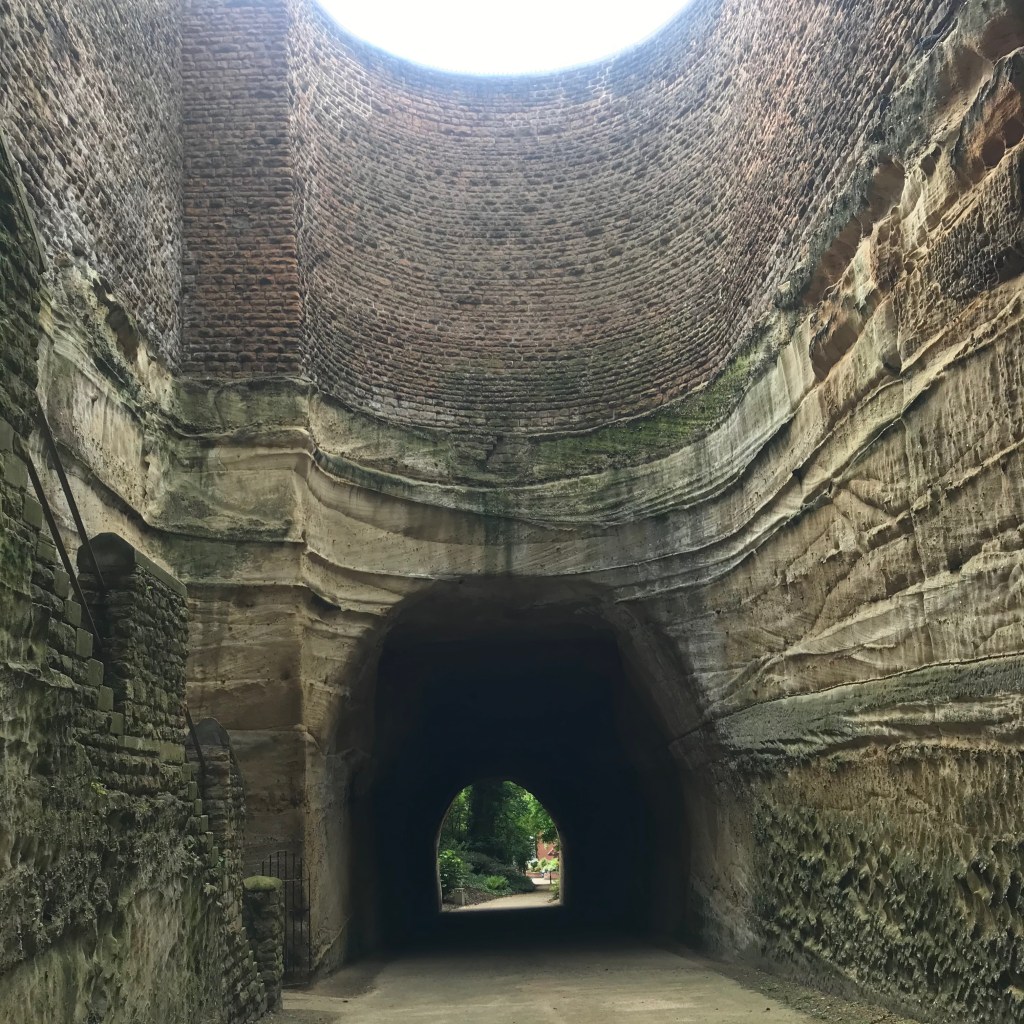
The nooks and crannies of our highways, byways and industrial estates provided me with some arresting sights too: a fleet of London buses, the premises of Harry Potter’s day job and a mysterious tunnel which takes you from the tedium of Maid Marion Way to the Narnia of the Park Estate all provided moments of surprise and delight in the most mundane of settings.

You can see an update of the campaign -and still donate if you wish – here.

The Story of the 2.6 Campaign: the A-Ha Moments

On Day 11 I found Colwick Quays. Who knew we had Quays? There was neither ship nor sailor in the rigging anywhere to be found, just logistics parks and container depots, probably the modern equivalent of quays these days so I thought perhaps the sign was a pointer to a bygone invisible past that no-one knew much about.

However, on Day 12 I found them (I think) behind the industrial estate, next to the river (of course) but a shadow of their former selves. There’s a great industrial heritage project here somewhere for someone.

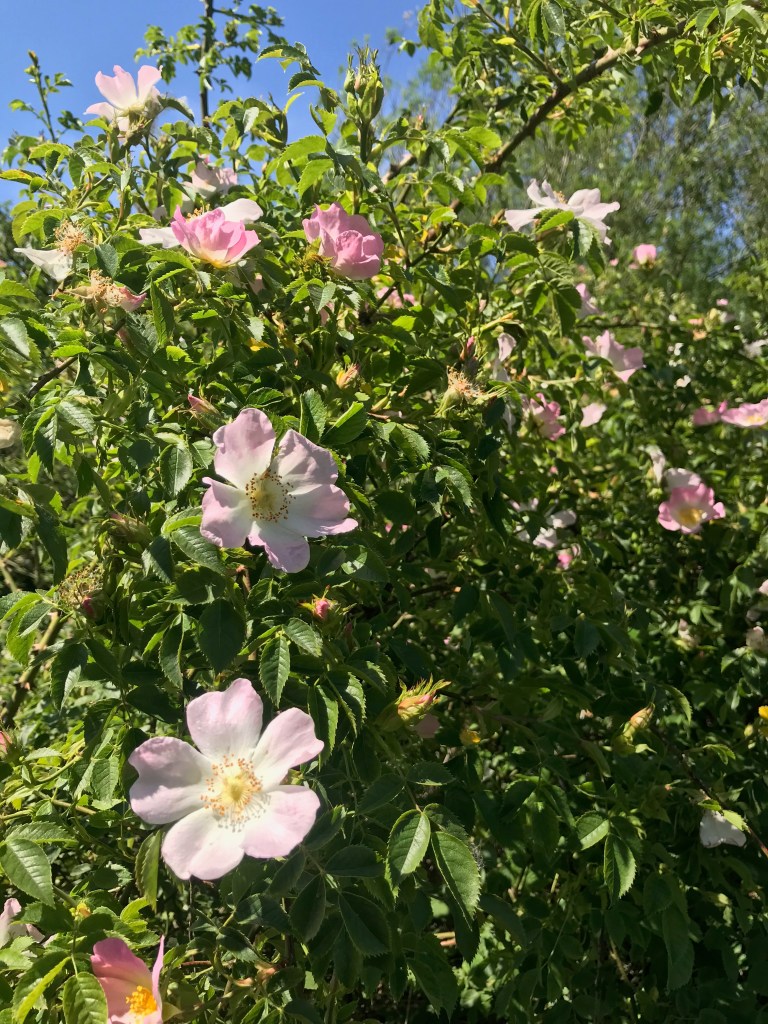
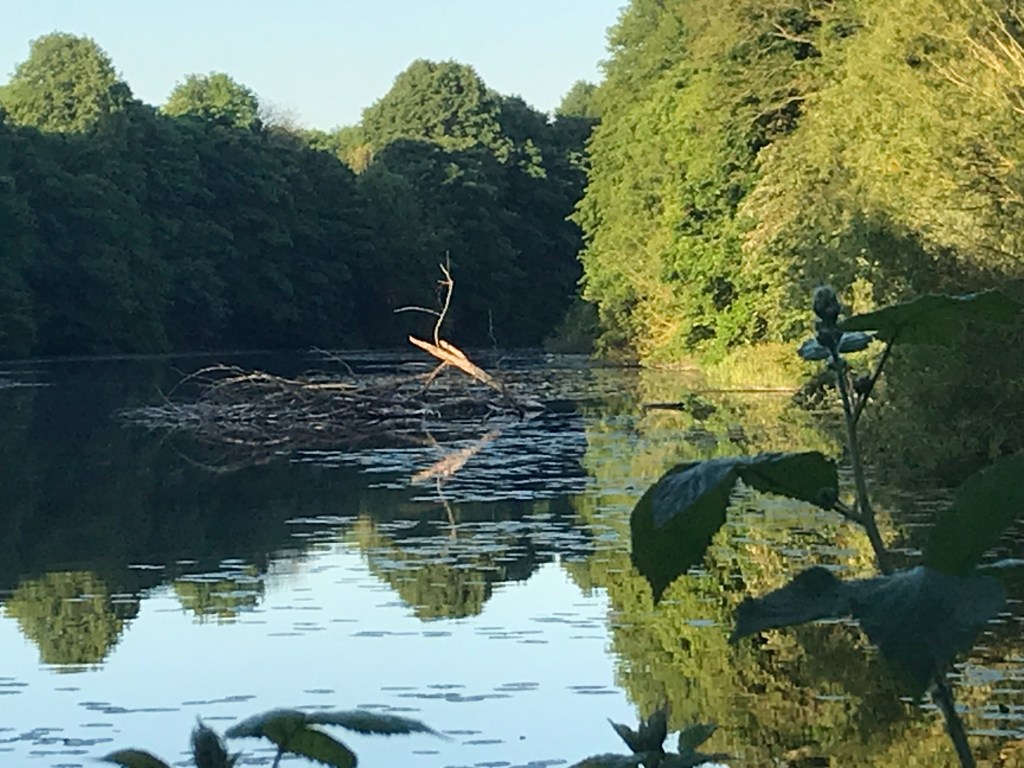
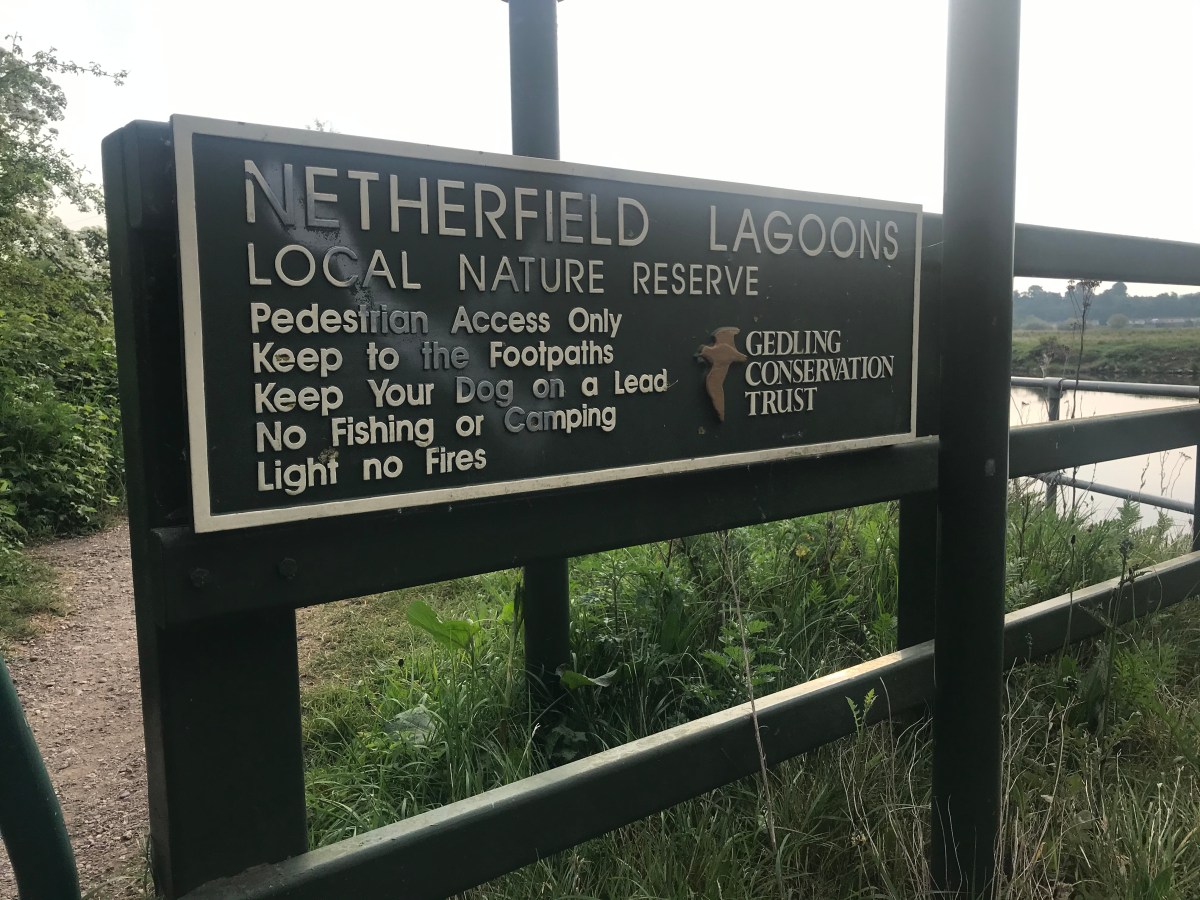
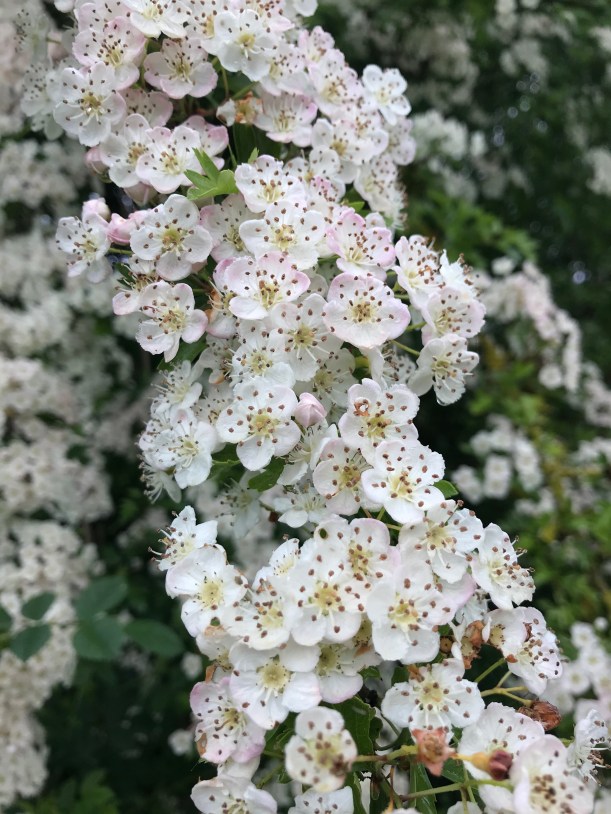
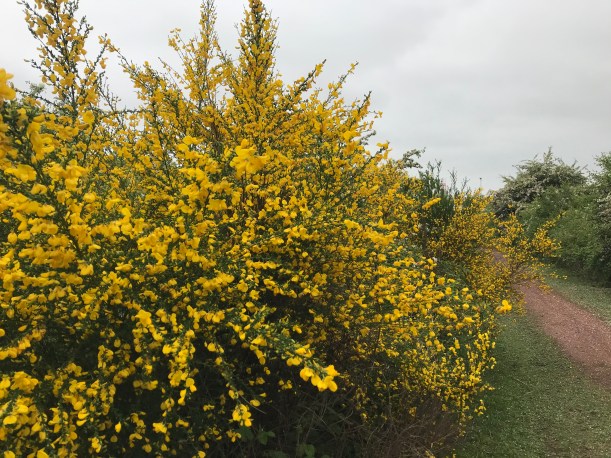
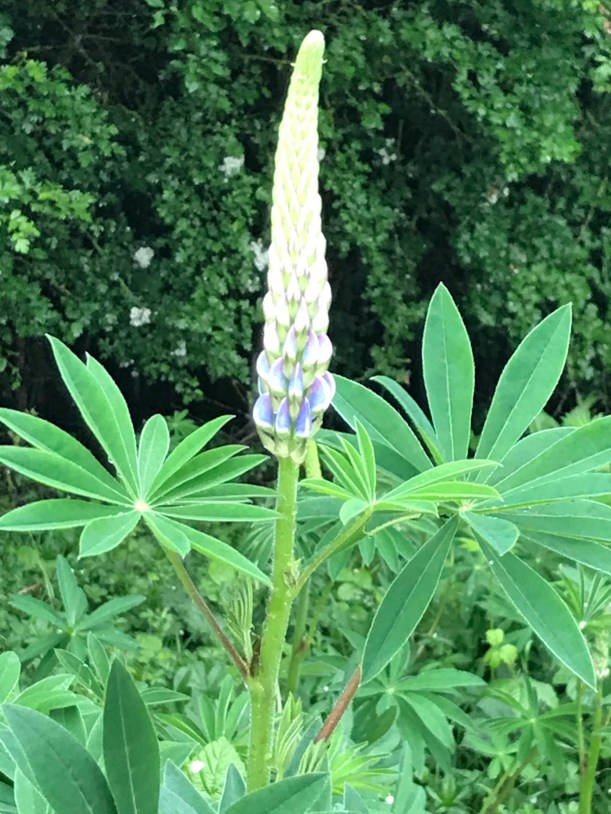
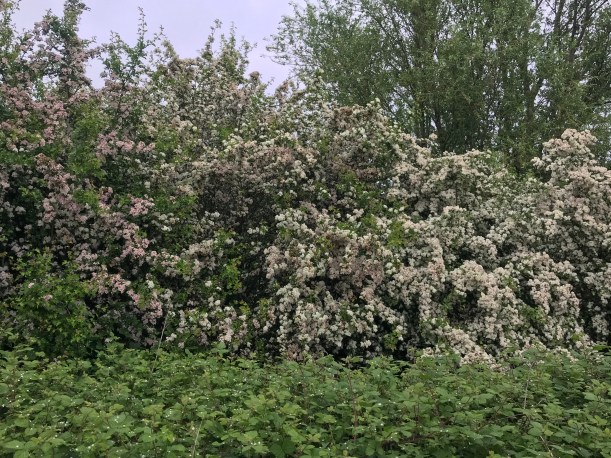
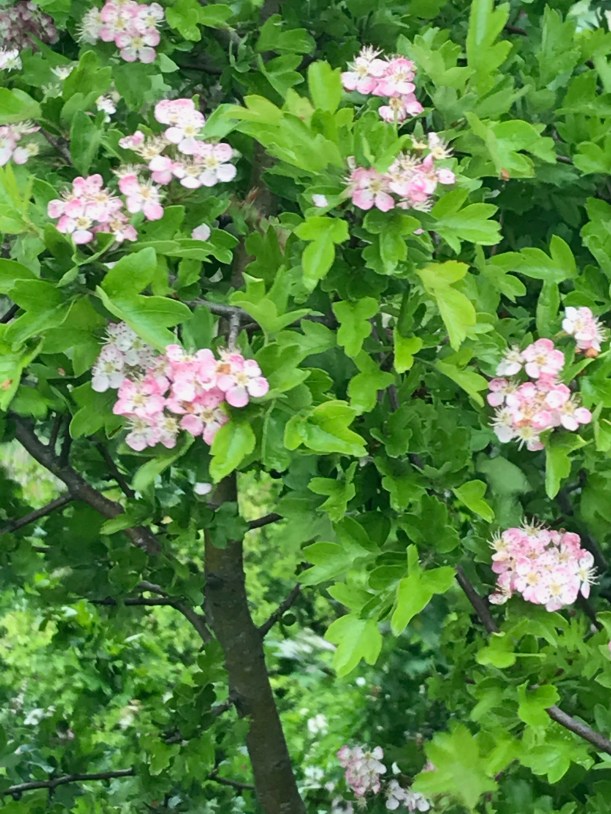
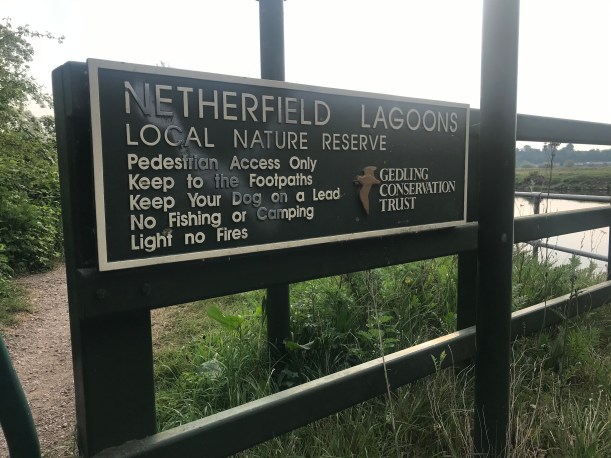
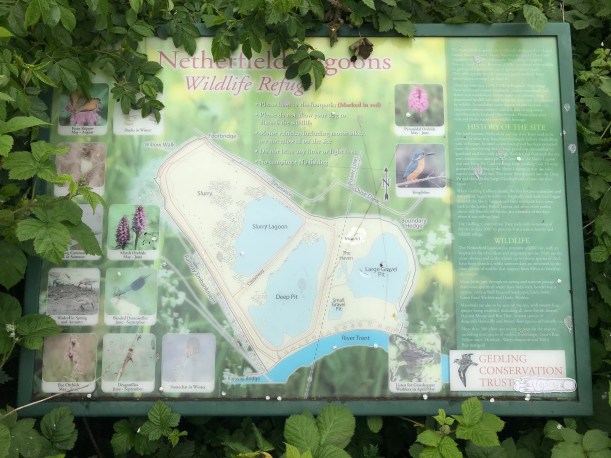
And on the very next day, Day 13, I went out to Colwick again to look for the Netherfield Lagoons. I hadn’t known until recently that we had lagoons in the UK, never mind in Netherfield. But what a sight they were: the remnants of industrial riverside heritage, banks of pink and white hawthorn, broom, lupins and teasels, all a stone’s throw from the anonymous retail site that is the Victoria Retail Park. You could go to that retail park every day and not have a clue what’s on the other side of those warehouses and bulk buying emporiums.

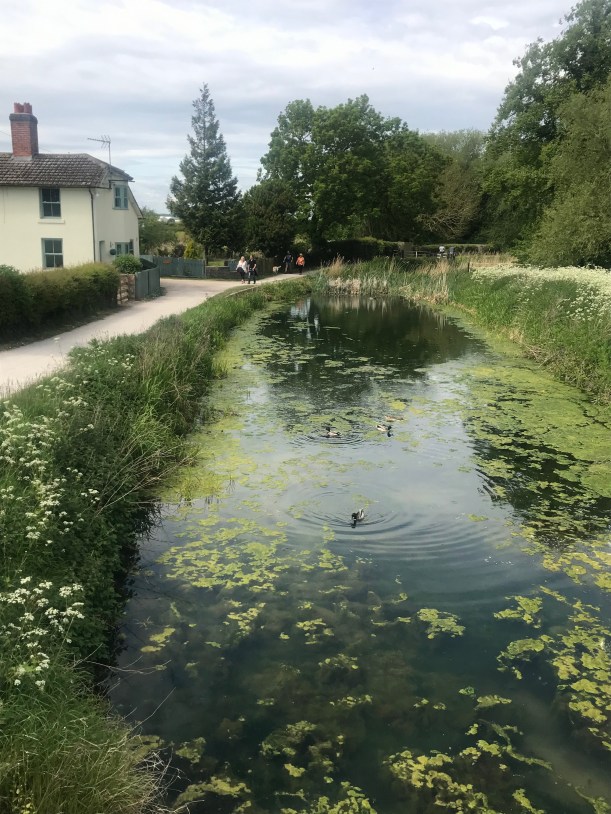
One of the final ‘a-ha’ moments was finding the source of the Grantham Canal at the Trent, down by Lady Bay Bridge. I’d been perplexed over how the Beeston Canal could just disappear at the River Trent by the football stadia, only to turn up again in Gamston before it turned into the Grantham Canal.  But then one morning, I found it, quietly innocuous at the side of Lady Bay Bridge, all silted up and neglected by the looks of it but that hadn’t put the local wildlife off.

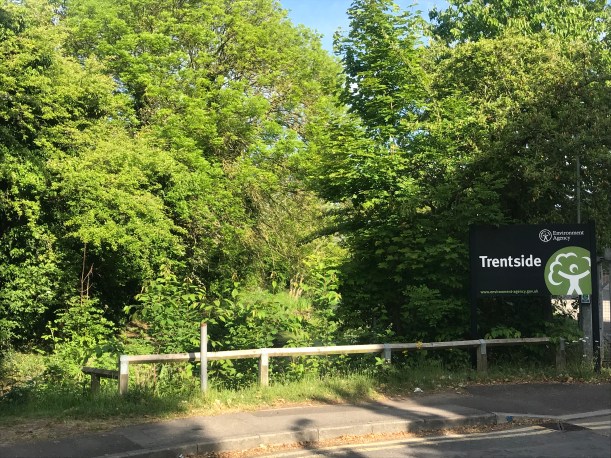
It is of course sited ironically enough right next to the Trentside Environment Agency.

You can see an update of the campaign -and still donate if you wish – here.

The Story of the 2.6 Campaign: getting back on a bike

I acquired my bright white Tiger Hazard-mobile at the start of the Covid-19 lockdown, unaware at the time that the 2.6 Challenge beckoned.  Whilst the bike started the challenge without a whimper, by day 6 the effects were beginning to tell on the handlebars which had developed a mind of their own. The brakes shockingly disappeared on the descent from the Sneinton Windmill down to the Hermitage too.

So I rapidly decided that I should invest in several small pieces of cycling technologies (spanners, puncture repair, first aid) as well as a pair of reinforced, padded underwear to protect myself in times of trouble.  Unfortunately, they hadn’t arrived by the time day 1 of the 2.6 Challenge dawned.

Whilst I soon learned to avoid the hills by tracking the river and the canals, one day I decided to track the tram rather than the river in the mistaken belief that 1) tram routes had nothing to do with the river and 2) that trams don’t ‘do’ uphill.

Mistaken belief number 1 was soon jettisoned when you realise that tram and river are so closely intertwined that before you know it, you’re riverside again, encountering Nature Reserves and Trent tributaries you weren’t aware of before. Mistaken Belief Number 2 was jettisoned when I attempted the route from the City Centre to the Arboretum which, if you don’t know it, is approached by one sly incline after another.

On day 21, Janice accompanied me to Attenborough Nature Reserve. The traffic on the cycle lanes had noticeably increased at this point and I was reminded of the TomTom advert of a few years ago which said, ‘You’re not stuck in traffic: you are traffic’.

The reinforced, padded underwear purchased online before the campaign needless to say still hadn’t arrived. Saddle sore doesn’t even begin to describe it.

You can see an update of the campaign -and still donate if you wish – here.

The Story of the 2.6 Campaign: the Geography

I started my journeys from Sneinton with a visit to the proud Sneinton Windmill. It’s like a magnet for so much local history of international impact: George Green, William Booth and D.H. Lawrence all have ley line connections via the windmill, and it wears its significance modestly.

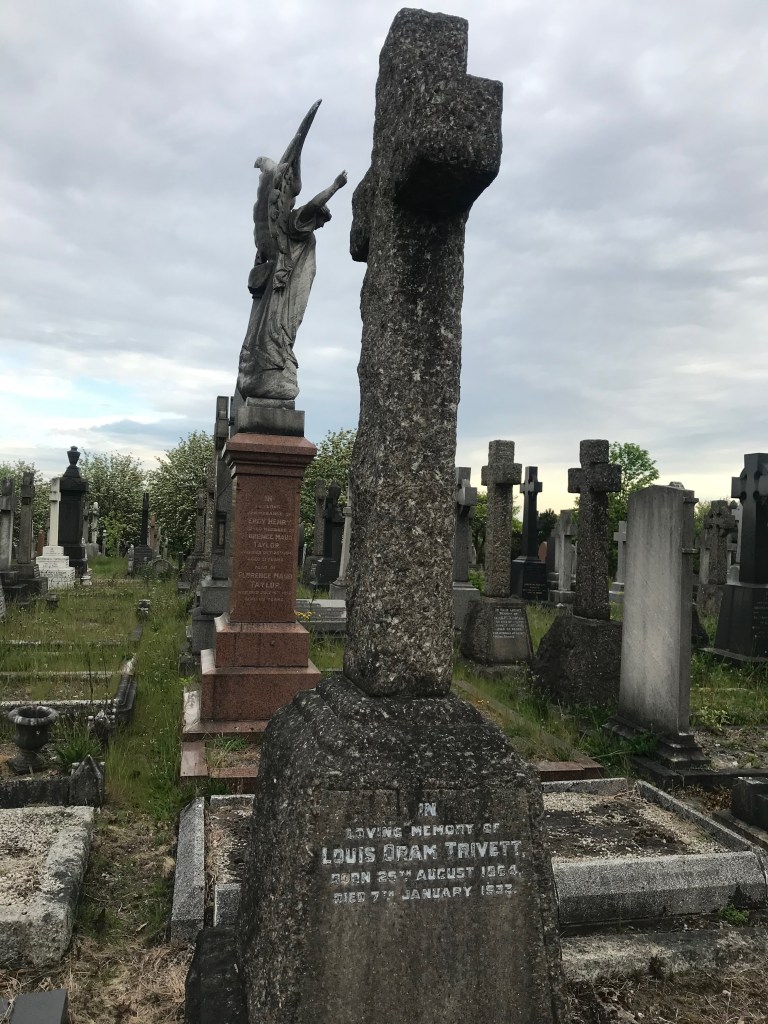
I headed out to the Arboretum, Attenborough Nature Reserve, Bassingfield, Burton Joyce, Clifton, Colwick, Commonwealth War Graves, Forest Fields, Gamston, Holme Pierrepoint, King’s Meadow Nature Reserve, Lady Bay, Netherfield, Nottingham Airport, Nottingham Castle Marina, Nottingham Race Course, Skylarks Nature Reserve, St. Ann’s, and Stoke Bardolph taking in the Beeston and Grantham Canals, the River Trent, the A52 (big mistake) and several smaller side roads of disputable pleasure and definite physical challenge.

You can see the routes I’ve taken on this post.  Just get in touch if you’d like some more detail.

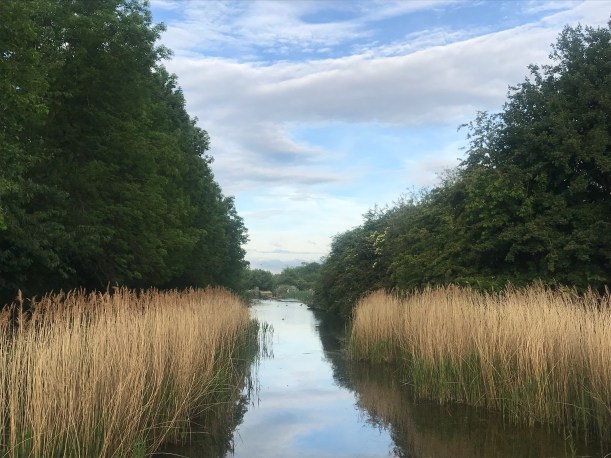
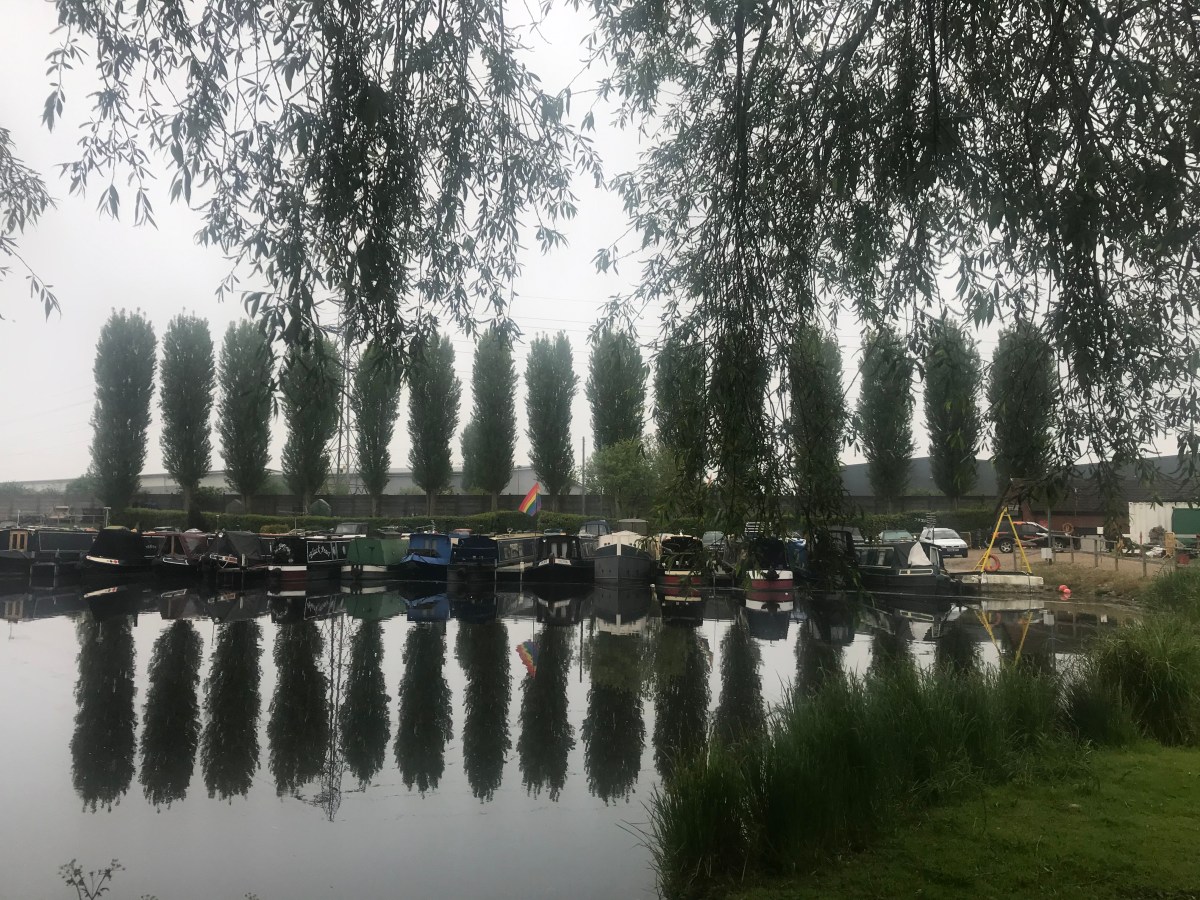
But if you’re just starting out on your own voyage of discovery, you could do a lot worse than head down to the Beeston Canal or along the River Trent.  You’ll find some of the loveliest tracks near the City Centre which stretch on and on, and make you feel like you could ride forever – knees, uncertain balance and unreliable handlebars notwithstanding.

You can see an update of the campaign -and still donate if you wish – here.


The Story of the 2.6 Campaign: Kick Starting

The UK’s mass participation event industry came together with the crowd funding website, JustGiving, in April 2020 to launch The 2.6 Challenge, a nationwide fundraising campaign intended to Save the UK’s Charities.  The onset of Covid-19 in early 2020 had seen the income of many charities plummet, so The 2.6 Challenge was an attempt to repair some of that damage.

The Mighty Creatives supported the campaign by helping some of the most vulnerable children and young people across the East Midlands: young people who are leaving care and who need help to make the transition from care to independent living. This is a huge step at any time for these young people:  navigating independence alongside the isolation of the Covid-19 crisis gave them additional challenges and pressures which were unimaginable just a few months previously.

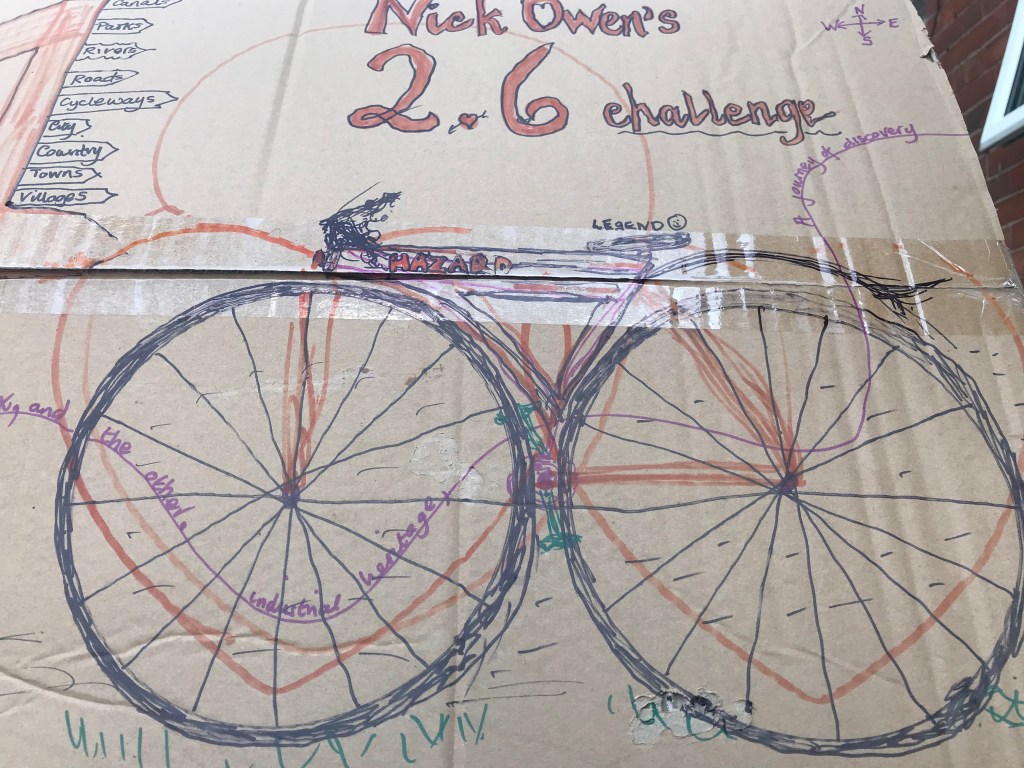
My contribution to the campaign started on 26th April by deciding to cycle at least 2.6km per day in 1km increments so that I would be cycling at least 26km after 26 days. By donating to the campaign, donors would be able to help our young people in care navigate their futures by helping me navigate my rickety way around Sneinton and beyond into the bargain.

As well raising invaluable funds for the campaign, I experienced several journeys of discovery in their own right and this blog marks those journeys.  It charts the geography, the ‘A-Ha’ moments, what it was like to get back on a bike after so many years, discovering the unfamiliar of the familiar, the transience of life and some thoughts on our new horizons and what’s next for all of us.

You can see and update of the campaign – and donate if you wish – here.